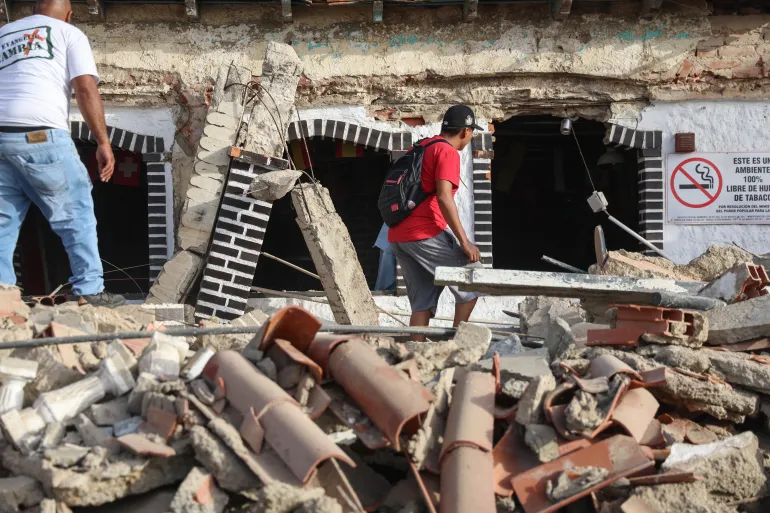


Venezuela Earthquake Death Toll Exceeds 1,400 – Thousands Still Missing Five Days After Twin Quakes
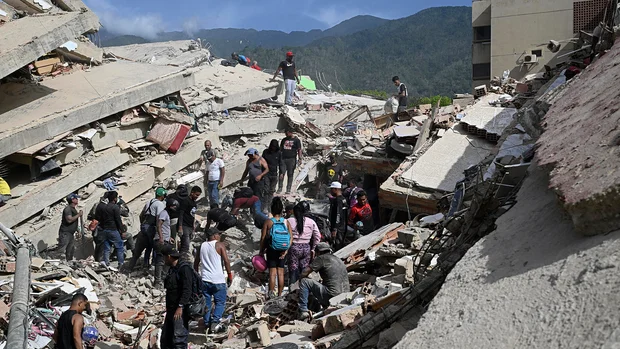
CARACAS, Venezuela – Five days after twin earthquakes devastated large parts of Venezuela, rescue teams are still fighting against time to find survivors, with tens of thousands of people remaining unaccounted for. The official death toll has surpassed 1,400, and fears are mounting that the number will rise sharply as search operations continue in collapsed buildings and landslides across the hardest-hit regions.
The first quake, registering a magnitude of 6.8, struck in the early hours of Thursday, followed hours later by a powerful 7.2 aftershock that compounded the destruction. The epicentres were located near the coastal state of Miranda, just east of the capital Caracas, but the tremors were felt as far west as the Colombian border and as far east as Trinidad and Tobago.
Desperate Scenes Outside Hospitals
In Caracas, grief-stricken families have gathered outside overwhelmed hospitals, clutching handwritten lists of missing relatives and pleading with staff for any information. The facilities, already strained by years of economic crisis, are struggling to cope with the influx of injured survivors and the steady stream of bodies.
One such family member is Genesis Fonseca, who arrived at a Caracas hospital with a pot of soup for her 6‑year‑old nephew. The boy miraculously survived the quake, but his mother did not. Fonseca spoke quietly of the family's loss, saying, "We are grateful he is alive, but we cannot understand why she was taken."
Across the city, search teams – many of them volunteers – have been using heavy machinery and even their bare hands to sift through the rubble of collapsed apartment blocks, shopping centres, and government buildings.
Thousands Still Missing
Authorities have confirmed that more than 1,400 people have died, but the true scale of the disaster remains unclear. The government has reported that at least 12,000 people are injured, while an estimated 50,000 to 70,000 individuals are still listed as missing – many of them believed to be trapped under debris or buried in mudslides triggered by the quakes.
The hardest-hit areas include the coastal towns of La Guaira and Maiquetía, where entire neighbourhoods have been reduced to rubble. In some remote mountain communities, landslides have cut off road access, making it impossible for rescue teams to reach survivors without air support.
"The situation is catastrophic," said María Corina Machado, a local civil defence coordinator. "We have not seen destruction on this scale in Venezuela for decades. We are running out of time to find people alive."
International Aid Begins to Arrive
International relief efforts have begun to mobilise, though bureaucratic delays have slowed the flow of aid. The United Nations has dispatched emergency supplies, including food, water, and medical kits, while neighbouring Colombia and Brazil have offered search-and-rescue teams and sniffer dogs.
The United States has also pledged $5 million in emergency assistance, though diplomatic tensions between Washington and Caracas have complicated the logistics. The Venezuelan government has called for international solidarity, urging all nations to set aside political differences in the face of a humanitarian tragedy.
Critical Infrastructure Crippled
Beyond the immediate loss of life, the earthquakes have crippled critical infrastructure. Power outages affect large swaths of the country, and water systems have been severely damaged, raising concerns about the spread of waterborne diseases. Hospitals are running low on essential medicines and surgical supplies, and many are operating on backup generators that are running low on fuel.
Telecommunications have also been severely disrupted, hampering coordination between rescue teams and central authorities. In some areas, residents have resorted to using satellite phones and amateur radio to communicate with the outside world.
Expert Assessment
"This is a worst-case scenario for a country already in the throes of a deep economic and social crisis," said Dr. Carlos López, a seismologist at the Central University of Venezuela. "The combination of two major quakes in such a short period has weakened structures that were already fragile due to years of neglect. The rescue effort will take weeks, and the rebuilding will take years."
Dr. López also noted that aftershocks continue to rattle the region, further endangering rescue workers and complicating the search for survivors.
A Nation in Mourning
As the search continues, Venezuela has declared three days of national mourning. Flags are flying at half‑mast, and public gatherings have been cancelled. President Nicolás Maduro has visited several affected areas, promising that the government will do everything possible to support victims and rebuild damaged infrastructure.
However, critics have accused the government of failing to prepare adequately for such disasters, pointing to a decade of underinvestment in infrastructure and disaster preparedness.
For families like Genesis Fonseca's, the immediate focus remains on survival. "We have to be strong for the children," she said. "My nephew is alive, and we must hold on to that."
Categorii
Citeste mai mult
CARACAS, Venezuela – Five days after twin earthquakes devastated large parts of Venezuela, rescue teams continue their desperate search for survivors, digging through rubble with heavy machinery and even their bare hands. The official death toll has surpassed 1,400, and tens of thousands of people remain unaccounted for, with fears mounting that the number will rise sharply. The...
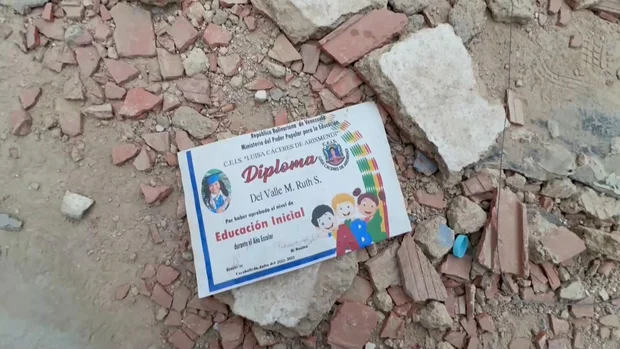
Japanese Prime Minister Sanae Takaichi will embark on her first visit to India since taking office last year, accompanied by more than 50 major companies. The trip headlines a busy week in Asia that also sees a verdict in the high-profile corruption trial of former Indonesian Education Minister Nadiem Makarim, South Korea unveiling massive semiconductor projects, and Japan simultaneously...
By Picrz.com | June 28, 2026 ERBIL, Kurdistan Region of Iraq – Iraqi security forces arrested several politicians and lawmakers in a predawn raid on Baghdad’s heavily fortified Green Zone on Sunday, in connection with a sprawling corruption case involving more than $85 million embezzled from the Oil Ministry, state media reported. The operation, which took place in...
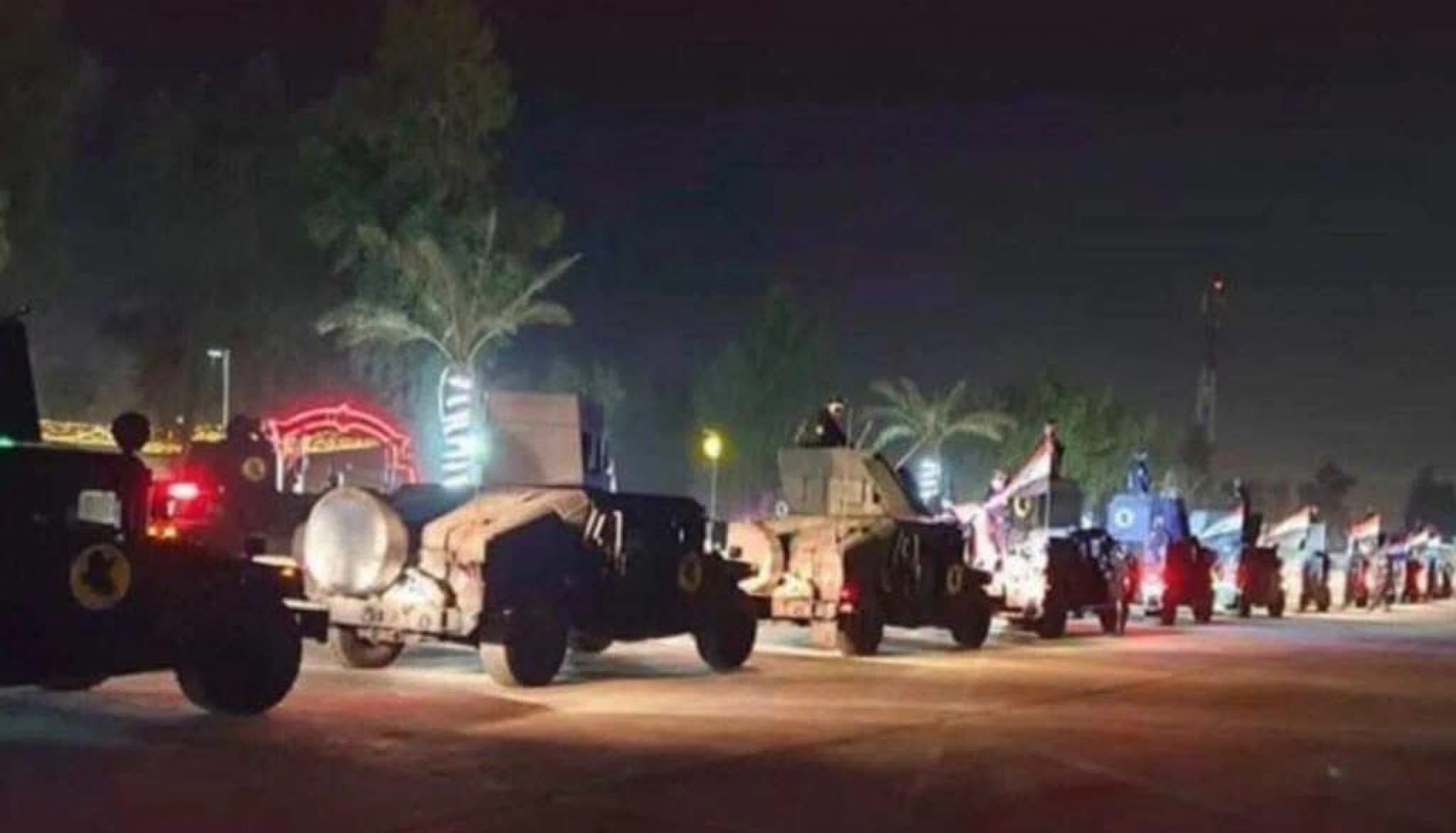
ERBIL, Kurdistan Region of Iraq – The Iraqi Bar Association issued a firm statement on Sunday declaring its full support for Prime Minister Ali al‑Zaidi’s sweeping anti‑corruption campaign, while making it clear that it will not provide legal defence to any individuals charged with corruption. The move comes as at least 47 senior politicians and lawmakers have been detained in...
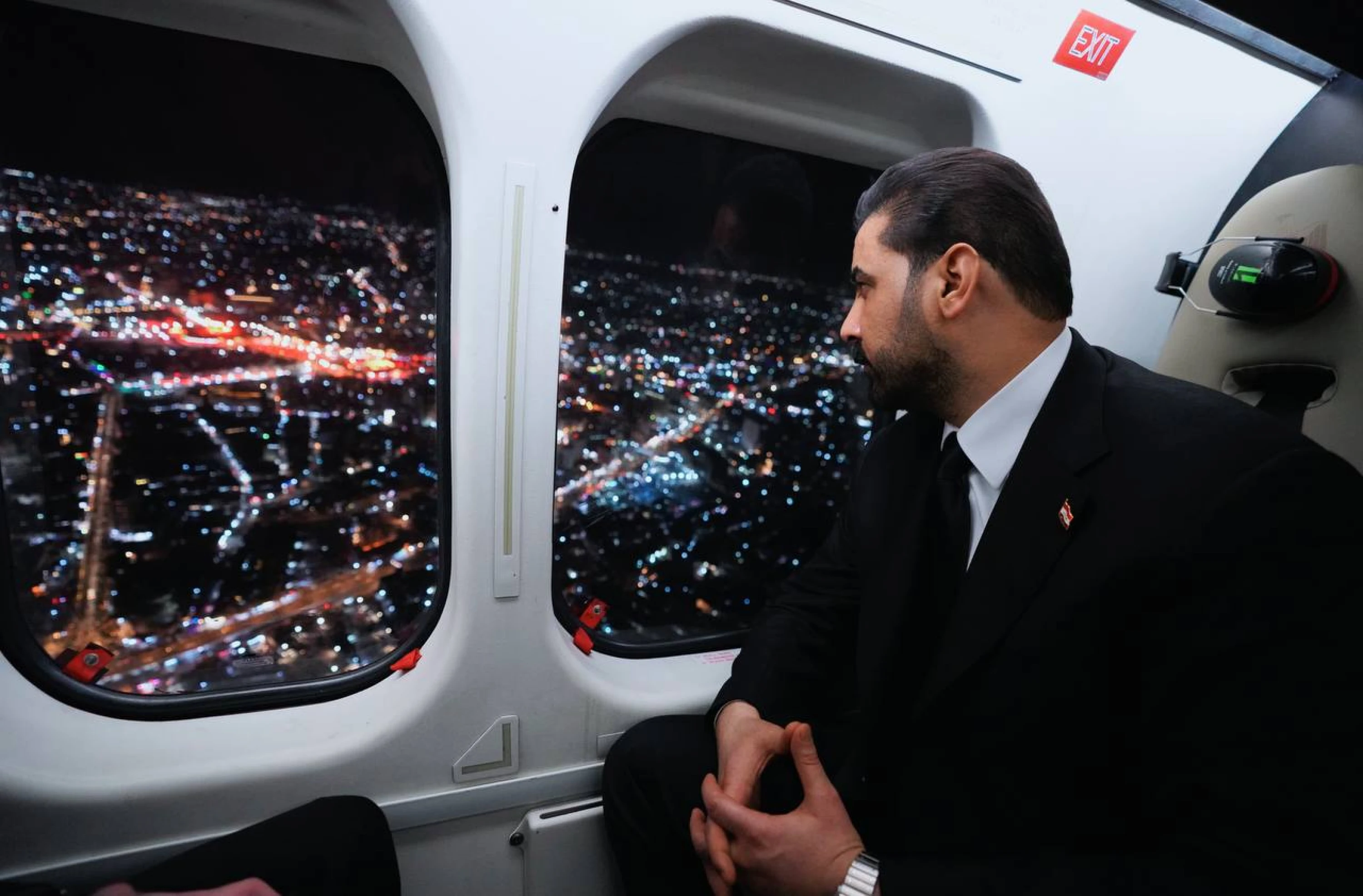
LA GUAIRA, Venezuela – Three days after twin earthquakes of magnitudes 7.2 and 7.5 ravaged Venezuela’s northern coast, rescue crews are locked in a desperate race against time. Official figures confirm at least 1,430 fatalities, while more than 51,000 people are still unaccounted for, as the critical 72‑hour survival window rapidly closes. The devastating tremors struck...