

Doha Diplomacy Hits a Wall as US Envoys and Iranian Delegates Circle Without Direct Talks
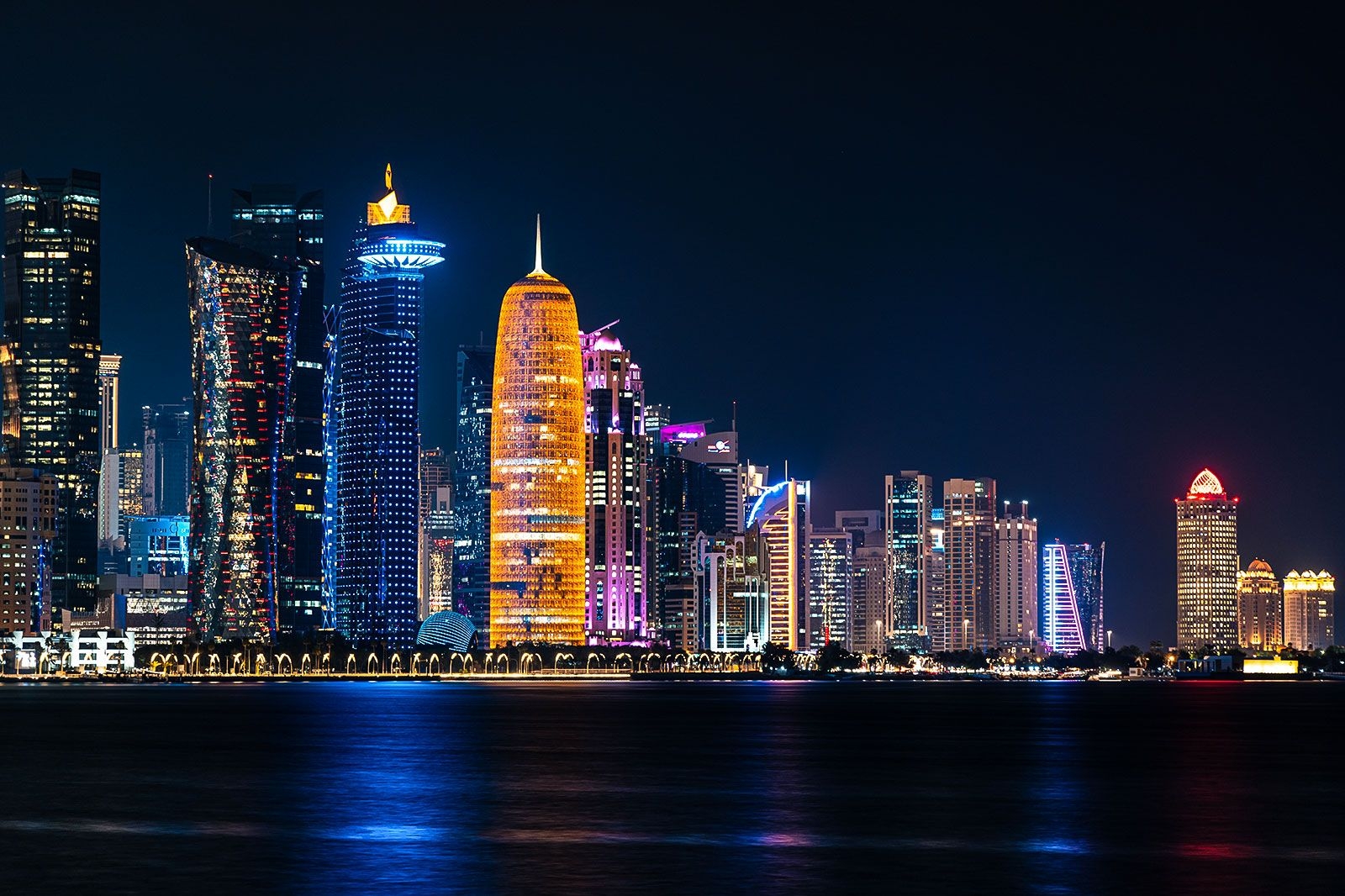
DOHA — Two delegations, one American and one Iranian, are now operating in the same Qatari capital but on entirely separate tracks, raising fresh doubts about whether the fragile truce brokered earlier this month can survive its first major implementation test.
While US envoys Jared Kushner and Steve Witkoff landed in Doha on Monday for what President Donald Trump had touted as “perhaps important” meetings, Qatari officials quickly poured cold water on expectations. No sit-down between the two sides has been scheduled, and none is currently being planned, according to a spokesperson for Qatar’s Ministry of Foreign Affairs.
The US team is here to consult with Qatari and Egyptian mediators on the operational rollout of the 14-point memorandum of understanding signed on June 17. But the Iranian technical delegation, which arrived separately, has made it clear it will only engage with the facilitators — not with Americans. Tehran’s foreign ministry spokesman Esmaeil Baghaei on Monday dismissed Trump’s earlier claim that Iran had requested a meeting as “baseless and misleading.”
The real battlefield is inside the memorandum itself. Iranian sources familiar with the delegation’s mandate told reporters that their primary mission is to lodge formal objections over what they see as unilateral American reinterpretations of key clauses. Article 5, governing traffic management in the Strait of Hormuz, has emerged as the biggest flashpoint. Tehran reads the article as granting it operational authority over the waterway during the 60-day negotiation window, while Washington insists Iran must step aside and allow unrestricted passage.
Equally contentious is Article 1, which addresses the ceasefire in south Lebanon. Iran has accused the US of failing to pressure Israel into complying with withdrawal and disengagement terms, arguing that Washington is selectively enforcing the MOU. “America must adhere to its commitments and, if necessary, force the Zionist regime to implement its commitments,” Baghaei reiterated, signaling that Tehran views the US as legally responsible for Israel’s actions under the agreement.
On the economic front, while President Masoud Pezeshkian confirmed that the first tranche of $6 billion in frozen assets has been released, Iranian technical experts say the remaining funds are being held up by banking restrictions and currency conversion delays. They are seeking written assurances that the full amount will be transferred within the 60-day framework, without additional conditions.
What makes the current stalemate particularly striking is that both sides are physically present in the same city — yet communication is being routed entirely through intermediaries. This “proximity without dialogue” approach suggests that neither party is ready for direct engagement, but both want to avoid being blamed for walking away.
Qatari mediators are now exploring the possibility of informal “corridor conversations” if the impasse continues. However, officials admit that the trust deficit is wider than when the MOU was signed two weeks ago. One diplomat close to the talks described the current phase as “implementation by litigation” — each side poring over the text to find grounds for grievance rather than common ground.
For now, the two delegations remain in the same city, but the distance between them appears to be growing, not shrinking. The next 48 hours will determine whether Doha becomes a bridge or a dead end.
Categorías
Read More
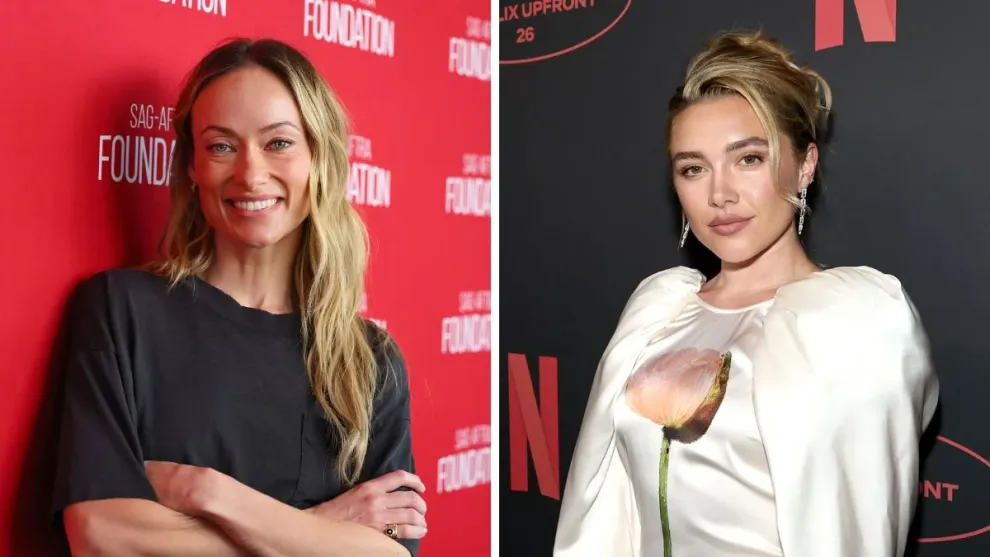
Olivia Wilde打破沉默:否认与Florence Pugh片场"激烈争吵"传闻 Olivia Wilde Breaks Silence: Denies "Screaming Match" with Florence Pugh 曾因电影《亲爱的别担心》宣传期深陷舆论漩涡的Olivia Wilde,如今终于打破沉默,正面回应了当年与主演Florence Pugh不和的传闻。在周三(6月24日)发布的《The Cut》专访中,这位演员兼导演坚决否认了片场发生"激烈争吵"的指控,并透露当时自己曾被要求对一切流言保持缄默。 *Olivia Wilde is finally setting the record straight about the swirling rumors that plagued the press tour for* Don't Worry Darling....
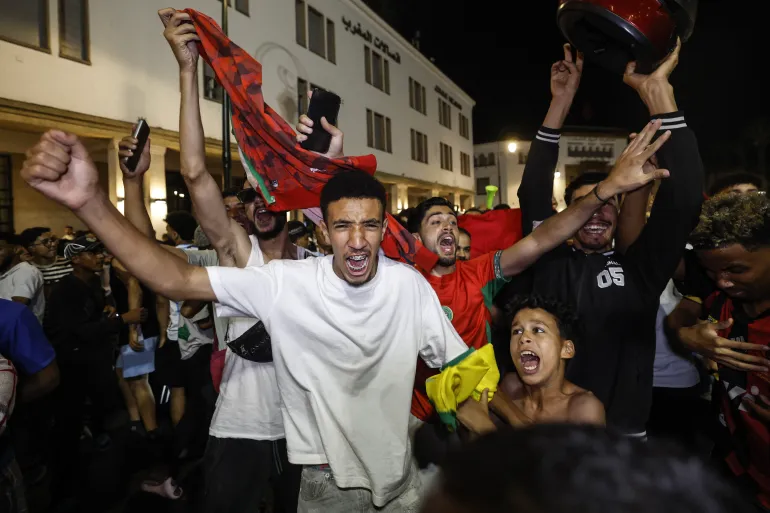
世界杯淘汰赛首日便上演了载入史册的戏剧性一幕。在周一进行的两场32强赛中,德国队遭遇了队史117年来首次世界杯点球大战失利——这支以钢铁意志和十二码线精准著称的“点球之王”,在巴拉圭门将奥兰多·希尔的神勇扑救面前轰然倒下。 常规时间双方战成1比1平。德国队曾有一粒进球被VAR介入后取消:后卫乔纳森·塔赫在混战中补射破门,但主裁判通过视频回放认定,另一名德国后卫瓦尔德马·安东在争顶时对巴拉圭门将希尔存在犯规动作,进球被判无效。正是这次改判,改变了整场比赛的走向。...
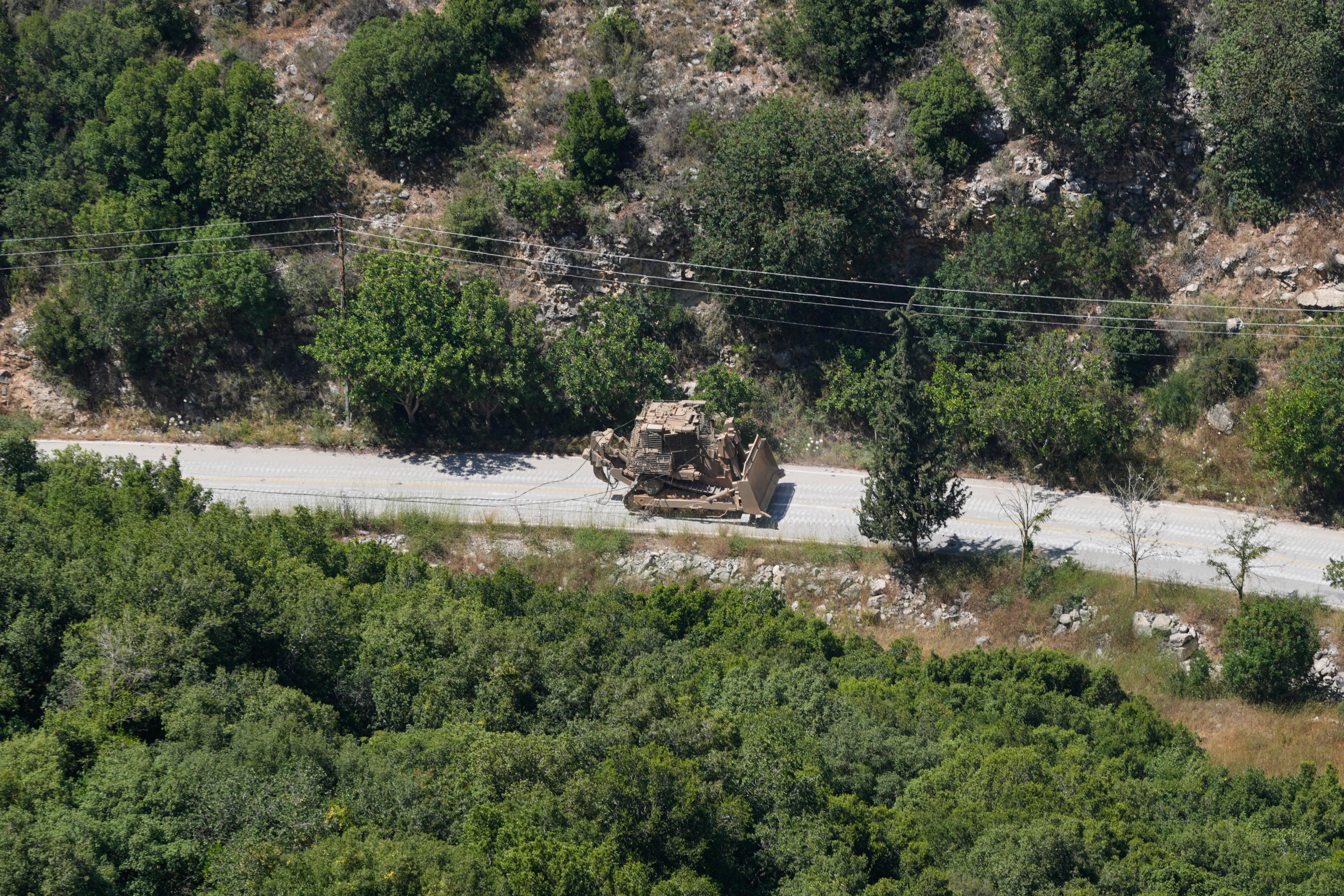
正文 | Main Text 伊拉克库尔德自治区埃尔比勒讯——以色列国防部长伊斯雷尔·卡茨周三明确表示,美国并未要求以色列从黎巴嫩南部撤军,尽管根据以色列与美国之间的谅解备忘录,"黎巴嫩的领土完整和主权"是伊朗方面提出的不可谈判的要求。 ERBIL, Kurdistan Region of Iraq — Israeli Defense Minister Israel Katz stated Wednesday that the US has not requested that Israel withdraw its troops from southern Lebanon, despite "the territorial integrity and sovereignty of Lebanon" being a...
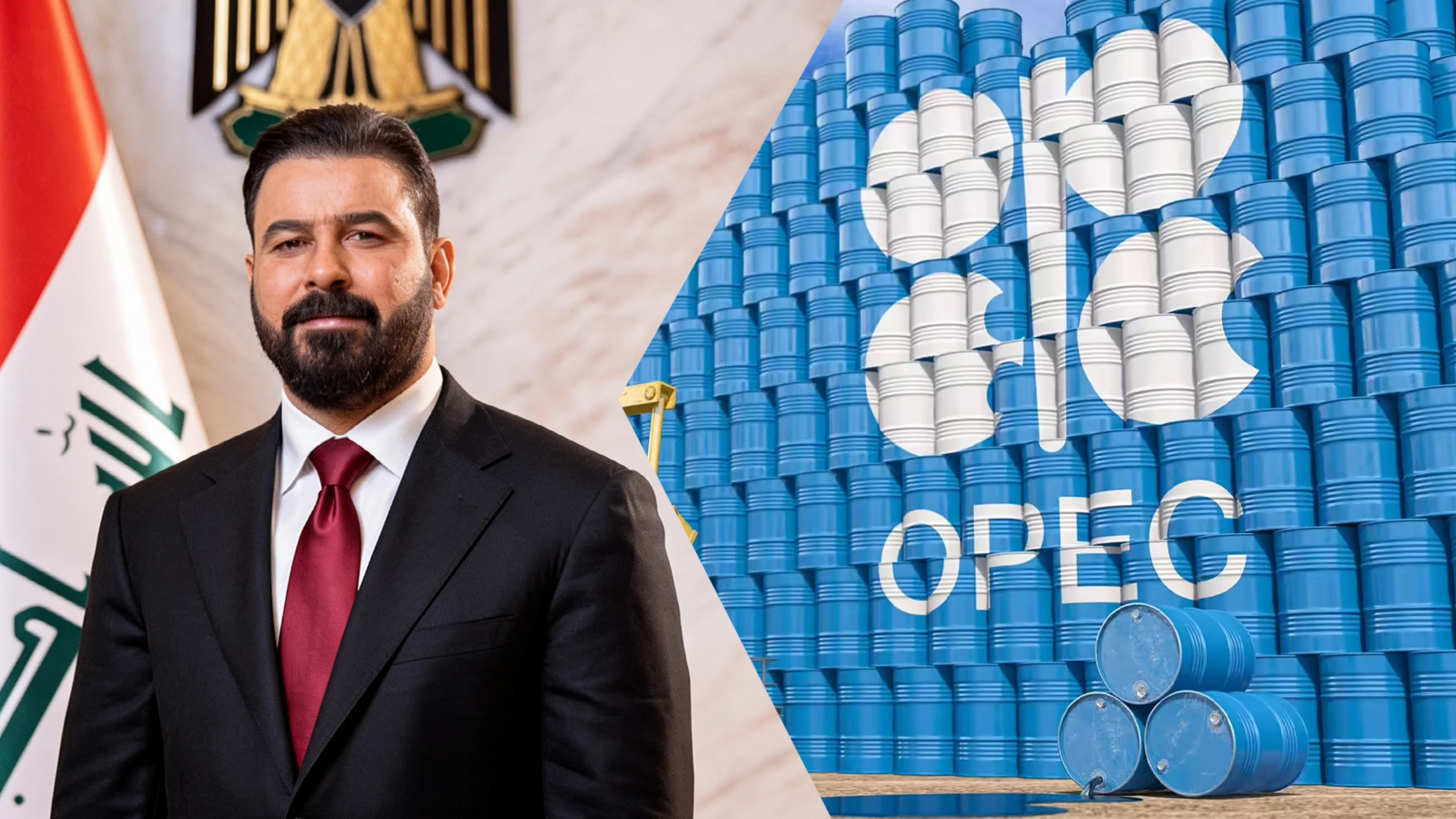
DUBAI, UAE — Picrz News — Iraq’s oil ministry said Friday (June 26) that Prime Minister Ali al-Zaidi “did not raise the issue of Iraq withdrawing from OPEC,” stressing that any demands related to production quotas are handled through OPEC’s technical and consensus-based mechanisms. The clarification follows comments Zaidi made on Thursday, when he said Iraq...
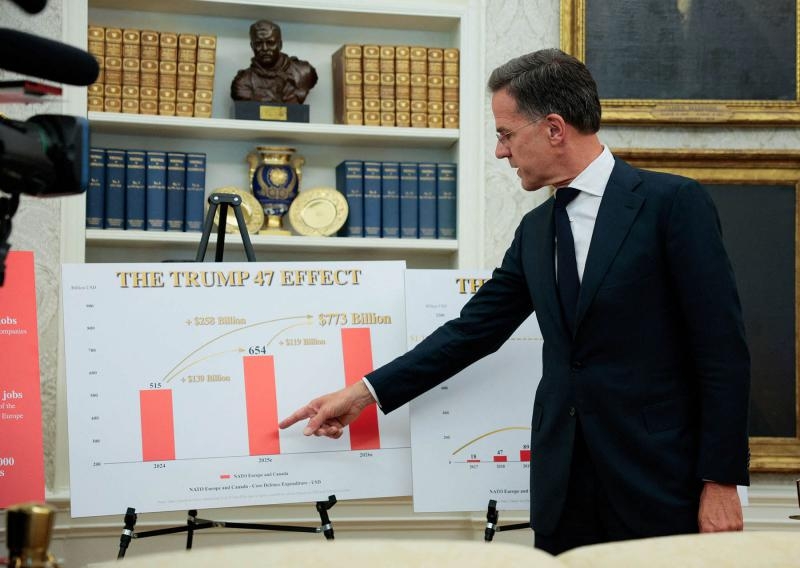
北约秘书长马克·吕特周三在白宫试图缓和与美国总统唐纳德·特朗普之间的紧张关系,他采用了一边奉承、一边温和反驳的策略,坚称盟友不愿支持美国对伊朗作战的情况仅限于"个别案例"。 NATO Secretary-General Mark Rutte sought to calm tensions with President Donald Trump at the White House on Wednesday, using a mix of flattery and gentle pushback to argue that instances of allies' reluctance to support the US war with Iran were limited to "isolated cases."...