

Includes key terms: US Iran, agreement, Strait of Hormuz, Doha talks
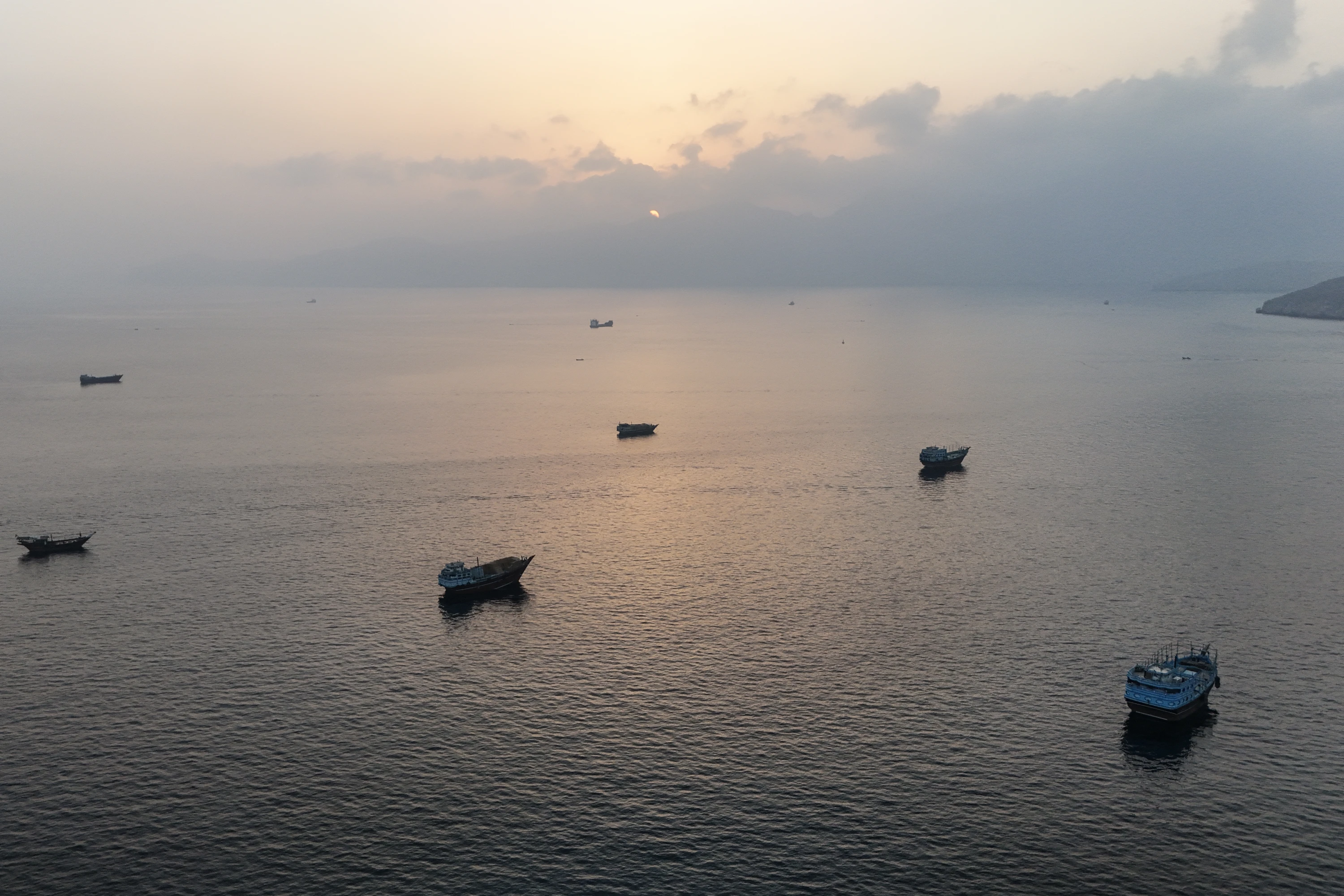
ERBIL, Kurdistan Region of Iraq – The United States and Iran have mutually agreed to cease their exchange of attacks in and around the strategic Strait of Hormuz, a senior US official confirmed late Sunday. The development comes as both nations prepare for a fresh round of talks scheduled for Tuesday in Doha, Qatar, against the backdrop of a fragile ceasefire.
The agreement follows days of tit‑for‑tat strikes that began Thursday after Washington accused Tehran of attacking a commercial vessel in the Strait – the world’s most vital energy shipping corridor, which Iran had effectively closed for much of the conflict that erupted in late February.
“We decided to stop all the kinetic activity,” the senior US official told Axios, adding that both Washington and Tehran would “stand down.” The official also confirmed that vessels can now move freely through the waterway, a key passage for global oil and gas shipments.
Tuesday Talks in Doha
According to the US official, both sides are set to convene in Doha on Tuesday for further negotiations. The meeting is expected to address outstanding issues related to the reopening of the strait and long‑term de‑escalation measures. While no agenda has been publicly released, diplomatic sources suggest the talks will focus on verifying the ceasefire and preventing future incidents.
Iran’s Warning Against External Interference
On Sunday, Iranian Foreign Minister Abbas Araghchi issued a stark warning, cautioning that any arrangements for the management of the Strait of Hormuz conducted outside Tehran’s framework would “increase tensions” and further delay the reopening of the waterway.
“I call on all parties not to interfere in the management of the Strait of Hormuz,” Araghchi stressed, reaffirming Iran’s stance on maintaining control over the strategic passage.
Background: A Path to De‑escalation
On June 17, the US and Iran remotely signed an agreement aimed at ending their hostilities and reopening the Strait of Hormuz. However, recent contradictory statements from Iranian state media have underscored the fragility of the truce. On Friday, Iranian state outlets reported that Tehran and Washington had established a communication line during talks in Switzerland to prevent incidents in the strait from triggering military escalation – a claim swiftly dismissed by the Islamic Revolutionary Guard Corps (IRGC) as an “outright lie.”
The conflicting narratives highlight deep internal divisions within Iran’s political and military establishment, casting uncertainty over the durability of the current ceasefire.
Expert Analysis
Regional security analysts view the latest agreement as a positive but tentative step. “The mutual halt in kinetic activity is a significant de‑escalatory move, but the trust deficit between Washington and Tehran remains enormous,” said Dr. Karim Saeed, a Gulf security expert based in Erbil. “Tuesday’s talks in Doha will be critical in determining whether this is a genuine breakthrough or just another temporary pause.”
The Strait of Hormuz handles approximately 20% of global oil supplies, making any disruption a critical concern for international markets. The relative calm since the agreement has already led to a slight dip in crude prices, though traders remain cautious pending the outcome of the Doha negotiations.
What’s Next
All eyes are now on Tuesday’s Doha talks. Diplomats from both sides have expressed cautious optimism, but the IRGC’s recent public rebuke of state‑media claims suggests that hardliners in Tehran may still oppose any long‑term accommodation with Washington. For now, the strait remains open, and maritime traffic is gradually returning to normal levels.
Reported by Picrz.com News Desk
Editorial Team: Picrz Editors
Published: June 29, 2026
Categorii
Citeste mai mult
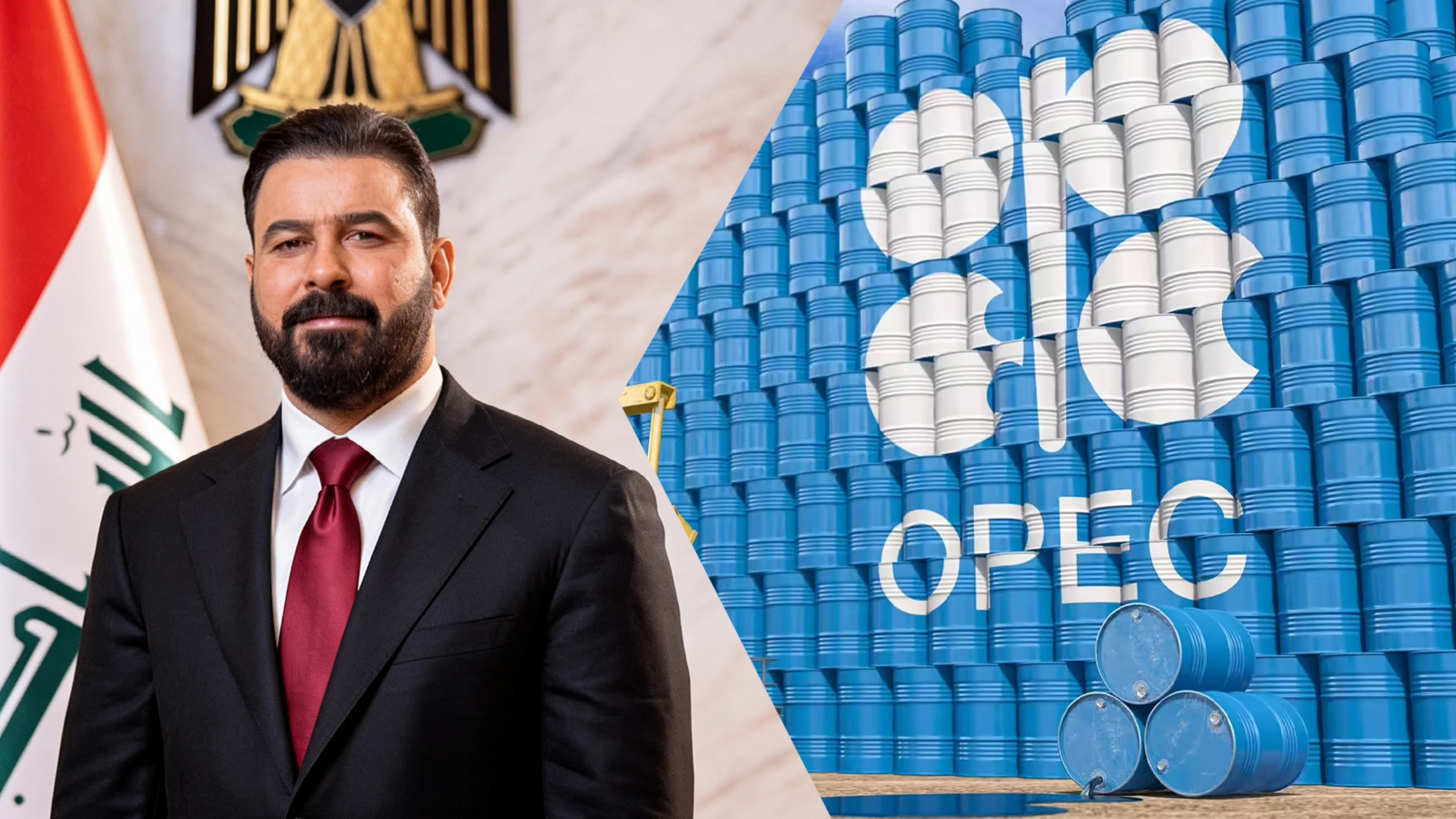
DUBAI, UAE — Picrz News — Iraq’s oil ministry said Friday (June 26) that Prime Minister Ali al-Zaidi “did not raise the issue of Iraq withdrawing from OPEC,” stressing that any demands related to production quotas are handled through OPEC’s technical and consensus-based mechanisms. The clarification follows comments Zaidi made on Thursday, when he said Iraq...
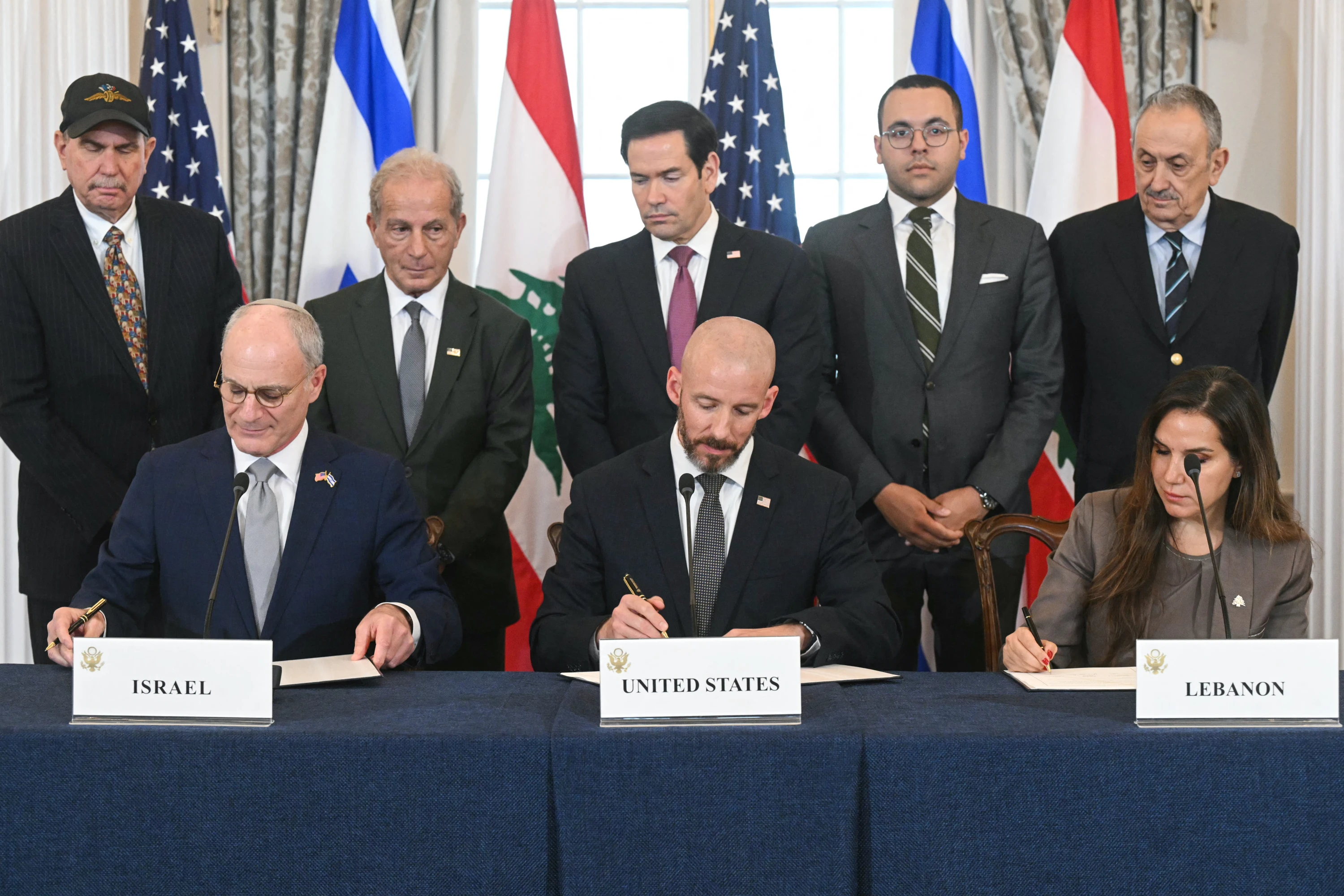
ERBIL, Kurdistan Region of Iraq - Israel and Lebanon signed a framework agreement on Friday in a US-mediated breakthrough that officials say could pave the way toward lasting peace between the neighboring countries. US Secretary of State Marco Rubio, who attended the signing ceremony, described the moment as "the beginning of the beginning," while cautioning that "there's a lot of work...
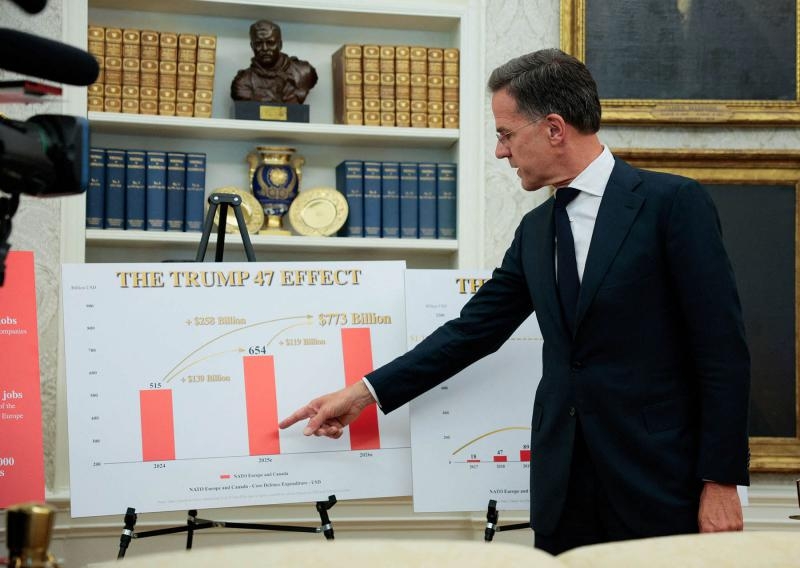
北约秘书长马克·吕特周三在白宫试图缓和与美国总统唐纳德·特朗普之间的紧张关系,他采用了一边奉承、一边温和反驳的策略,坚称盟友不愿支持美国对伊朗作战的情况仅限于"个别案例"。 NATO Secretary-General Mark Rutte sought to calm tensions with President Donald Trump at the White House on Wednesday, using a mix of flattery and gentle pushback to argue that instances of allies' reluctance to support the US war with Iran were limited to "isolated cases."...
By Picrz.com | June 28, 2026 ERBIL, Kurdistan Region of Iraq – Iraqi security forces arrested several politicians and lawmakers in a predawn raid on Baghdad’s heavily fortified Green Zone on Sunday, in connection with a sprawling corruption case involving more than $85 million embezzled from the Oil Ministry, state media reported. The operation, which took place in...
CARACAS, Venezuela – Five days after twin earthquakes devastated large parts of Venezuela, rescue teams are still fighting against time to find survivors, with tens of thousands of people remaining unaccounted for. The official death toll has surpassed 1,400, and fears are mounting that the number will rise sharply as search operations continue in collapsed buildings and landslides...